






photo by Надія Коваль - stock.adobe.com
Sure, spring brings with it tender leafy greens, asparagus, beans, and berries, while summer’s sunshine provides delicious go-tos like melons, peaches, sweet corn, and rhubarb. But when it comes to the ultimate bounty, you’d be hard-pressed to argue against the temptations that autumn has to offer. Beets, pumpkin, pears, and carrots—these cooler months are to thank for the mouth-watering, nutritious array of produce we have access to in North America.
The fact that grocery stores are stocked to the brim with these fruits and veggies this time of year isn’t the only reason you should reach for them, though. Eating local and selecting seasonal produce has a ton of body-boosting and wellness-enhancing advantages.
“Local, seasonal foods have a number of health benefits that can really make a difference for consumers,” explains Michelle Harreld, MS in nutrition and the Institute for Functional Medicine’s director of medical education. “First, they generally provide your body with more vitamins and phytonutrients—compounds in plants with health benefits—compared to foods grown far away because nutrients in fruits and vegetables often decrease during transport.”
It can also help you increase the variety of foods you eat, exposing you to additional sources of vitamins, minerals, and fiber you may miss out on other times of the year. “One of the joys of eating seasonally is the variety it brings to our plates,” notes registered dietitian and certified intuitive eating counselor Andrea Kroeker. “Every season offers different colors, flavors, and textures, encouraging us to enjoy foods at their very best. Instead of eating the same foods year-round, each season invites us to discover something new.”
We’re starting you off on the right foodie foot this fall with a selection of eats you should consider the next time you hit up the market. Best case scenario you find a new favorite, and at worst you’re helping support the local farmers in your area that work so hard to bring food to table every single season.
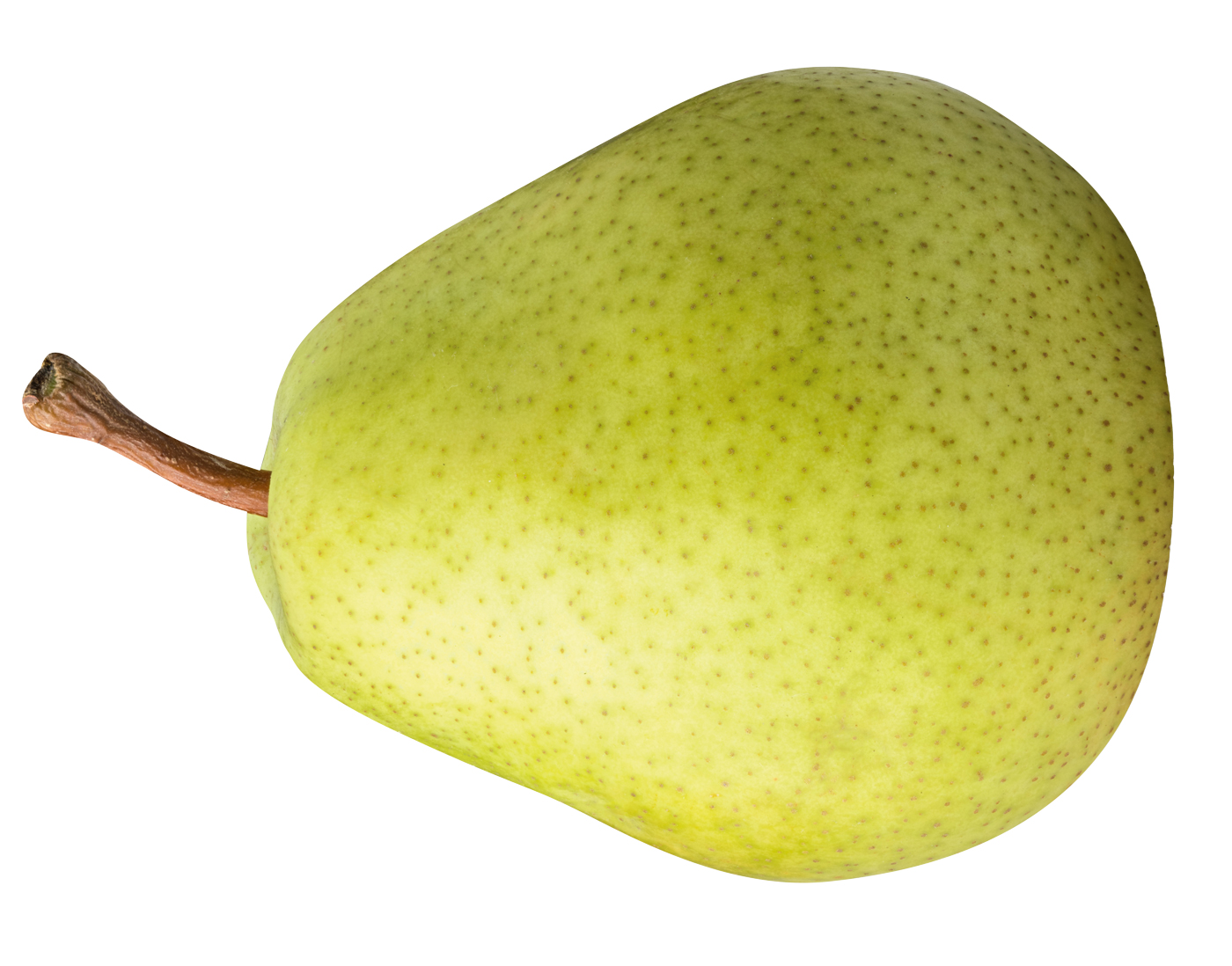
PHOTO by A_Skorobogatova - stock.adobe.com
The Sweetie Pie
Pears
Flavor profile
Juicy, slightly sweet, and delicately floral.
Pairs best with
Cinnamon, ginger, nuts, and most types of hard or soft cheeses.
Nutritional benefits
• Though not exceptionally high in vitamin C, a medium fruit does provide about 10 percent of your daily recommended amount.
• It also has around six grams of fiber, including both soluble and insoluble. Insoluble fiber is the rough stuff that “scrubs” your digestive track to keep things moving, while soluble fiber forms a gel in your gut that slows digestion.
How to use Them
• Chop up and add to your oatmeal (or even quinoa!) along with a bit of maple syrup and a dash of cinnamon for a new take on breakfast.
• Serve sliced on top of crusty bread with brie and honey.
• Sauté peeled, diced pears and shallots in oil, then add chicken broth and thyme; add flour as needed to thicken. Serve over pork or chicken.
• Use sliced pears to top your salad, along with pine nuts, goat cheese, and your favorite balsamic. Kroeker adds, “Pears are delicious roasted with cinnamon or sliced onto a salad with toasted walnuts and sharp cheddar.”
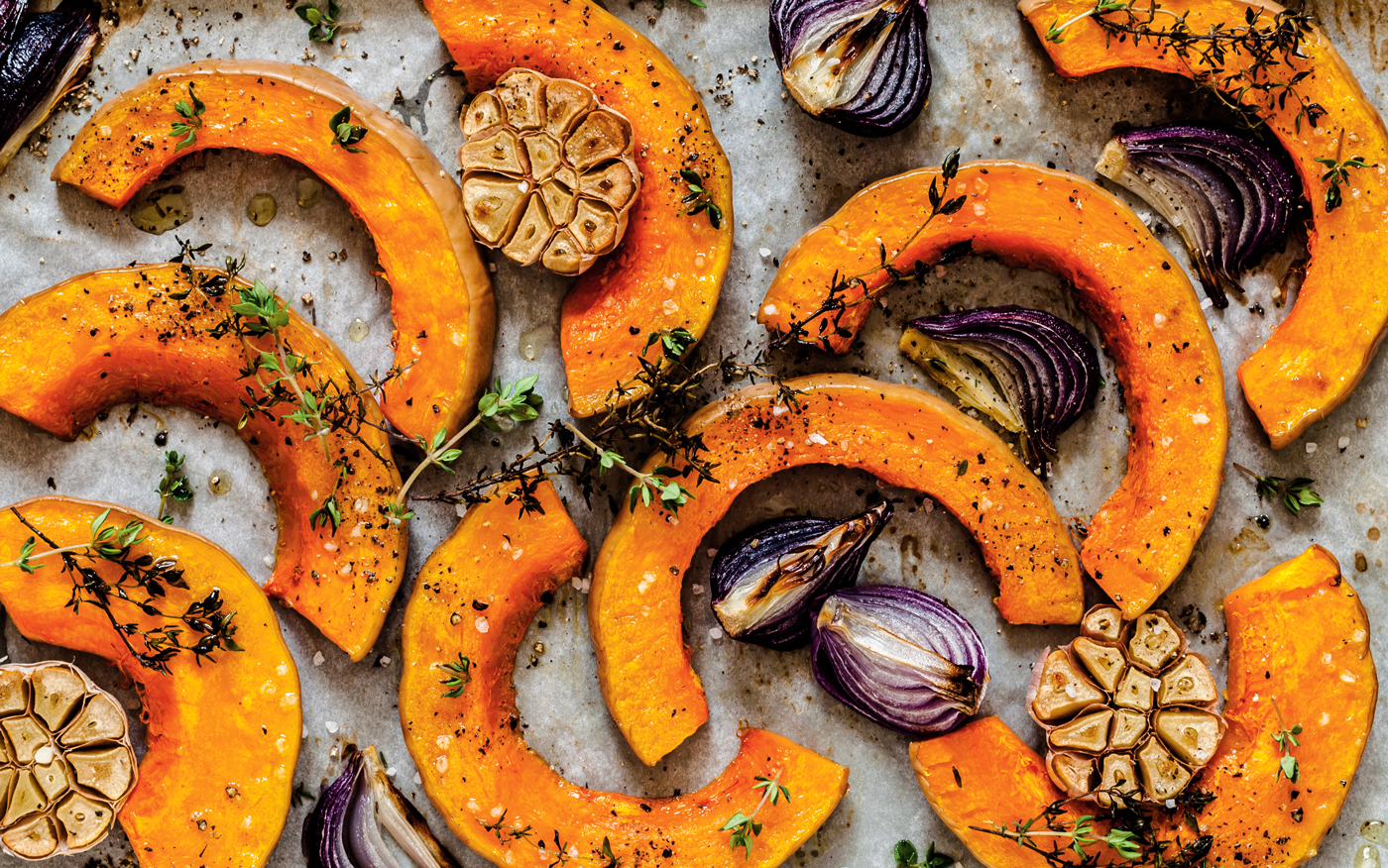
Photo By dolphy_tv - stock.adobe.com
The BIG GUY
Pumpkin
Flavor profile
Earthy, slightly sweet; works well in both sweet and savory dishes.
Pairs best with
Warm spices like cinnamon, nutmeg, and allspice—the perfect partner for other autumn fruits like apples and cranberries.
Nutritional benefits
• Just one cup of mashed pumpkin provides almost 80 percent of your recommended dietary allowance (RDA) of vitamin A.
• Mow down on one cup of canned purréed pumpkin and you’ll get seven grams of hunger-quashing fiber.
• There’s around 560 milligrams of potassium per cup of cooked pumpkin, which is about 20 percent of what adult women should get daily.
How to use Them
• “Pumpkin brings a silky richness to soups and curries, and adds moisture and depth to muffins,” says Kroeker. Try replacing up to half the oil in muffin or baked good recipes with canned pumpkin. (Note: start by only subbing about a quarter of the listed amount of oil and see how your recipe holds up.)
• Slice and roast it in the oven or on the barbecue with some garlic cloves, red onion, olive oil, salt, and pepper. Finish with fresh herbs like rosemary and thyme.
• Pie pumpkins can be cut in half and baked whole; once softened, chunk or scoop out the flesh and use it in soups, pies, or on its own.
• Add diced pumpkin to your favorite apple or pear crisp recipe in lieu of some of the other fruits.
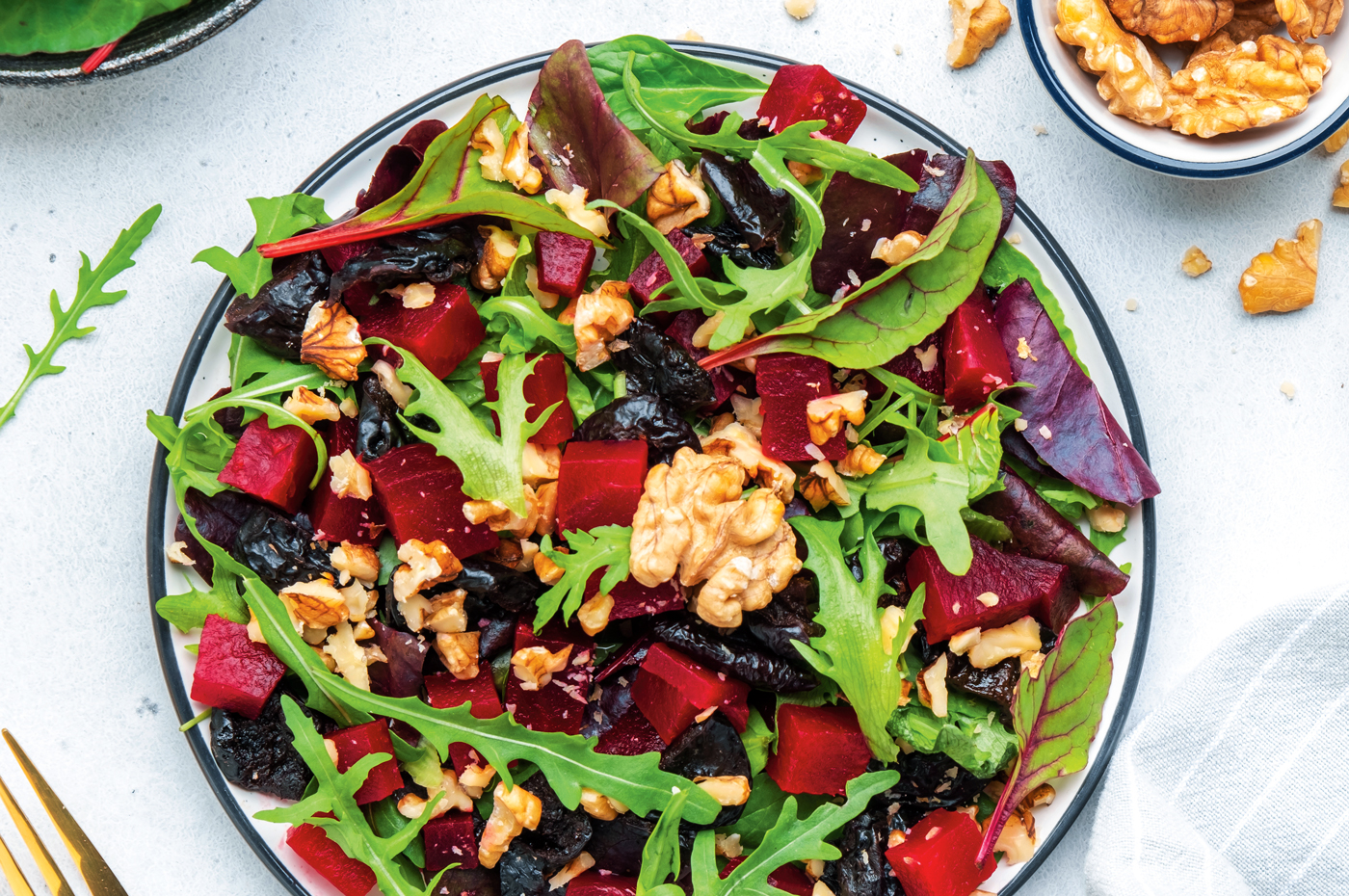
Photo by 5ph - stock.adobe.com
The WUNDERKIND
Beets
Flavor profile
Earthy, sugary, slightly (very slightly) bitter, and sometimes metallic.
Pairs best with
Sweet and tangy flavors that reflect its own, like sharp cheeses, citrus, and vinegars.
Nutritional benefits
• Beets are chock-full of nitrates which, despite what you may have heard, are good for you when paired with antioxidants, helping to lower blood pressure.
• You’ll also get a good dose (around 23 milligrams) of magnesium, a mineral that supports metabolism and muscle function.
• Every serving of beets delivers several different B vitamins, including folate, thiamine, and riboflavin.
How to use them
• Think you hate beets? Think again. “Roasting transforms them,” says Kroeker. “Their earthy flavor becomes mellow, their natural sweetness develops, and they become something completely different from the boiled beets many people remember growing up.”
• Take those roasted beets and add them to a salad with red onion, cilantro, mint, and a citrus dressing for a side dish that will impress.
• Another way to dress up those cooked beauties? Serve with arugula, walnuts, halved prunes, and a simple vinaigrette for a quick way to get your greens in.
• Pickled beets can be used as a garnish for meaty dishes, in sandwiches, or added to a salads for a sour kick.
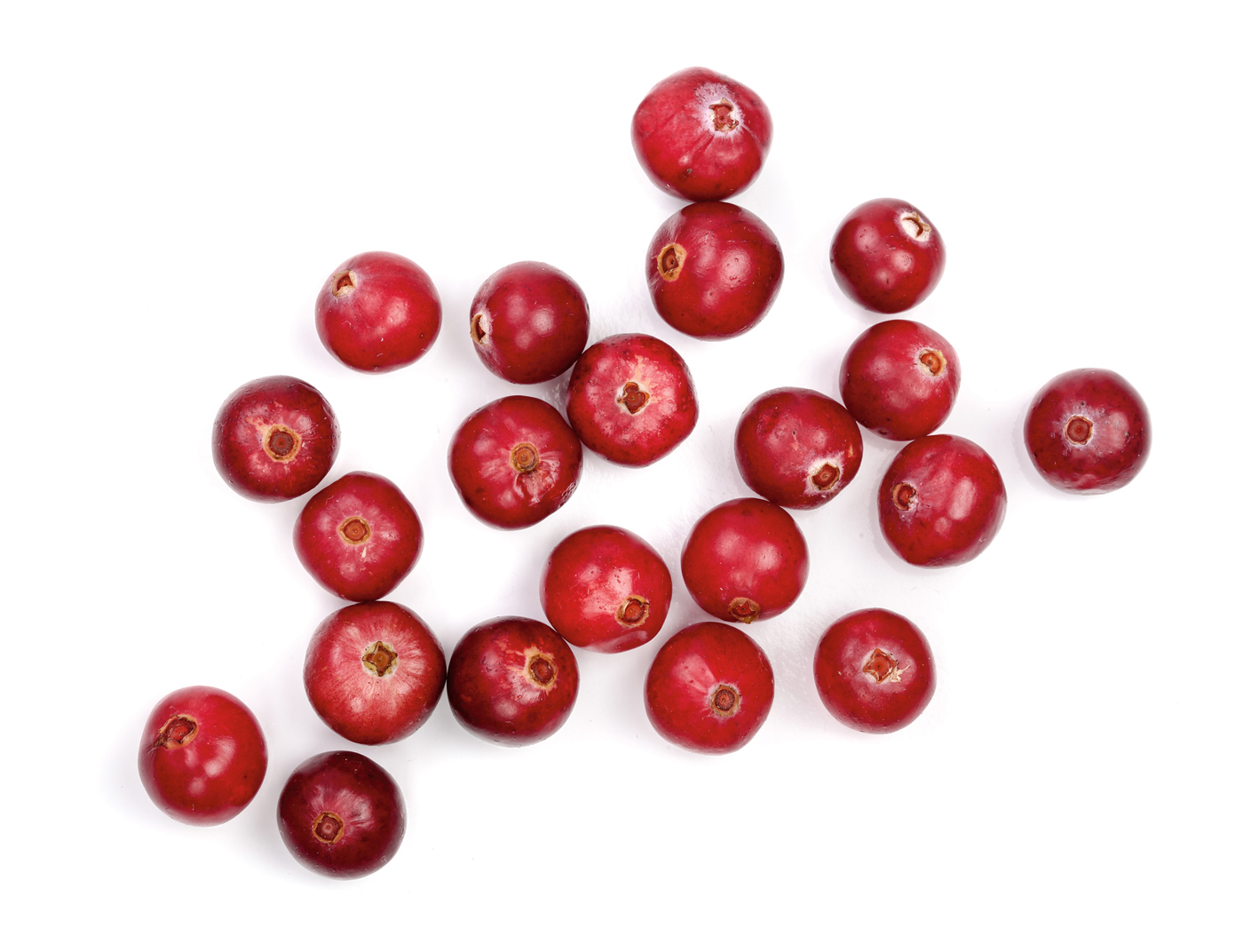
Photo by kolesnikovserg - stock.adobe.com
The Tart and tangy ones
Cranberries
Flavor profile
The title says it all: tart when raw, but sweetens slightly when cooked.
Pairs best with
Cranberries elevate many types of dishes, including many you think of when Thanksgiving comes ‘round, especially
turkey and dishes with sage and thyme.
Nutritional benefits
• Cranberries are a source of vitamin K, which is important for bone health and blood clotting, as well as copper, a mineral vital for the creation of red blood cells.
• They are relatively low in sugar, with only four grams per cup.
• Not necessarily a nutritional benefit, but cranberries have long been a go-to for reducing the risk of urinary tract infections, though study results are mixed.
How to use Them
• Cranberry sauce is a staple, but it can be used in a number of new ways. Try it on French toast or as a replacement for jam in a PB&J.
• Substitute the dried version for blueberries or chocolate chips in your favorite scone or cookie recipe.
• Find unexpected places to insert them on your dinner table. “Cranberries roasted with Brussels sprouts are a delicious side dish,” says Harreld.
• Use the juice as a replacement for OJ in smoothies or mocktails.
by sveta_zarzamora - stock.adobe.com
The everyday wonder
Carrots
Flavor profile
Sweet and crunchy, with slight flavor variations depending on color.
Pairs best with
Honey or maple syrup bring out the natural sugars in carrots, though they can also be enhanced with a small amount of butter or garlic; they’re also a foundational ingredient of mirepoix, a staple in many French recipes (though other cultures have their own, similar takes).
Nutritional benefits
• They might not cure your eyesight, but the high level of vitamin A in carrots is good for your peepers.
• Yes, they are higher in sugar than other vegetables, but since that sugar is paired with nearly four grams of fiber per serving (one or two large veggies) your blood sugar isn’t impacted nearly as much.
• Carrots are packed with potassium, an electrolyte that aids nerve function.
How to use Them
• Shred one and toss it in your “slop bowl” for an added dose of nutrition.
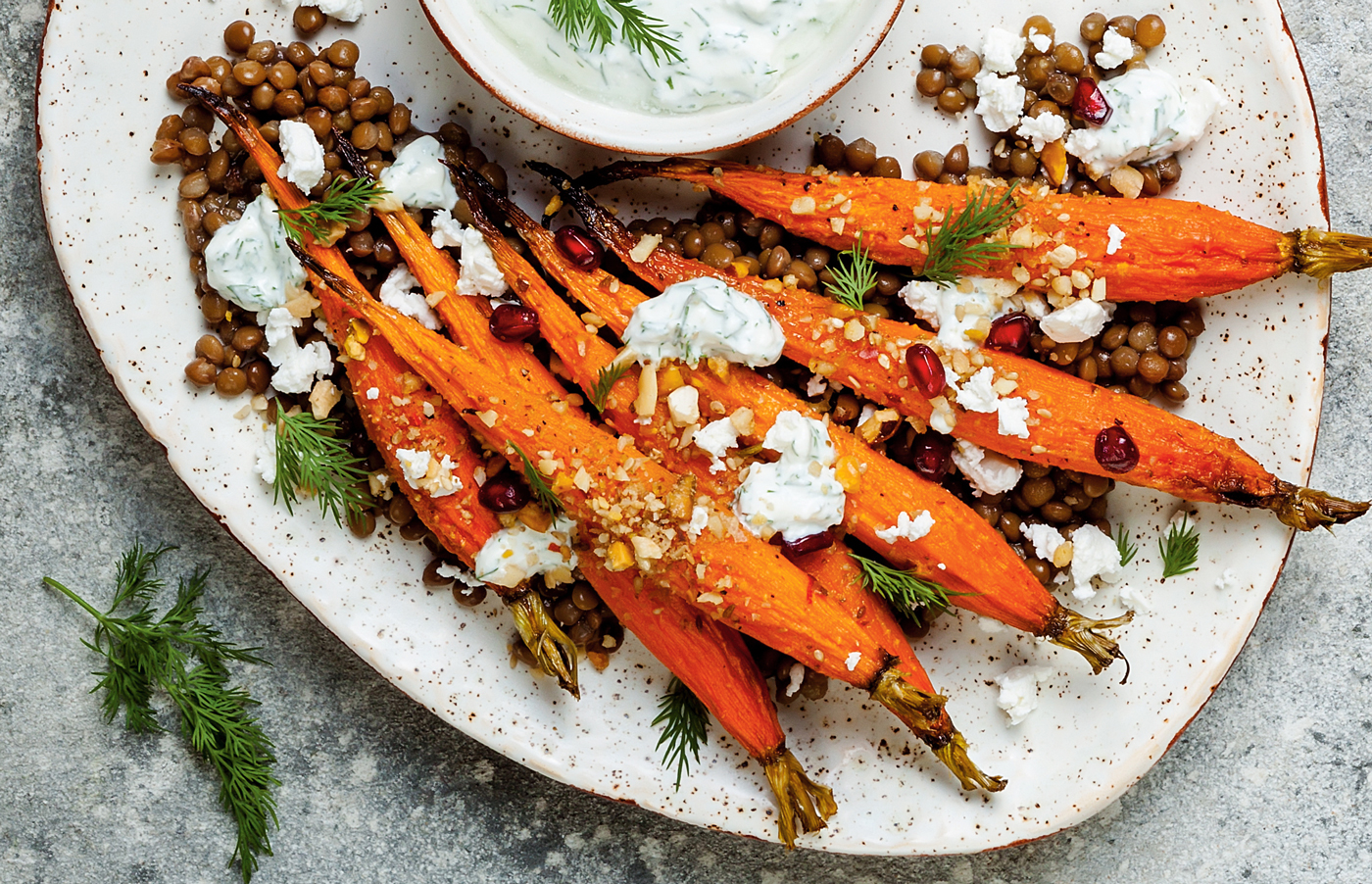
• Toss full carrots with some oil, salt, and pepper and roast in the oven. Place on top of cooked lentils and top with pomegranate seeds and feta.
• Cut into strips and air fry them with a bit of oil, garlic powder, and parmesan.
• Cakey bread and muffin batters can benefit from a bit of shredded carrot, which will help boost moisture.
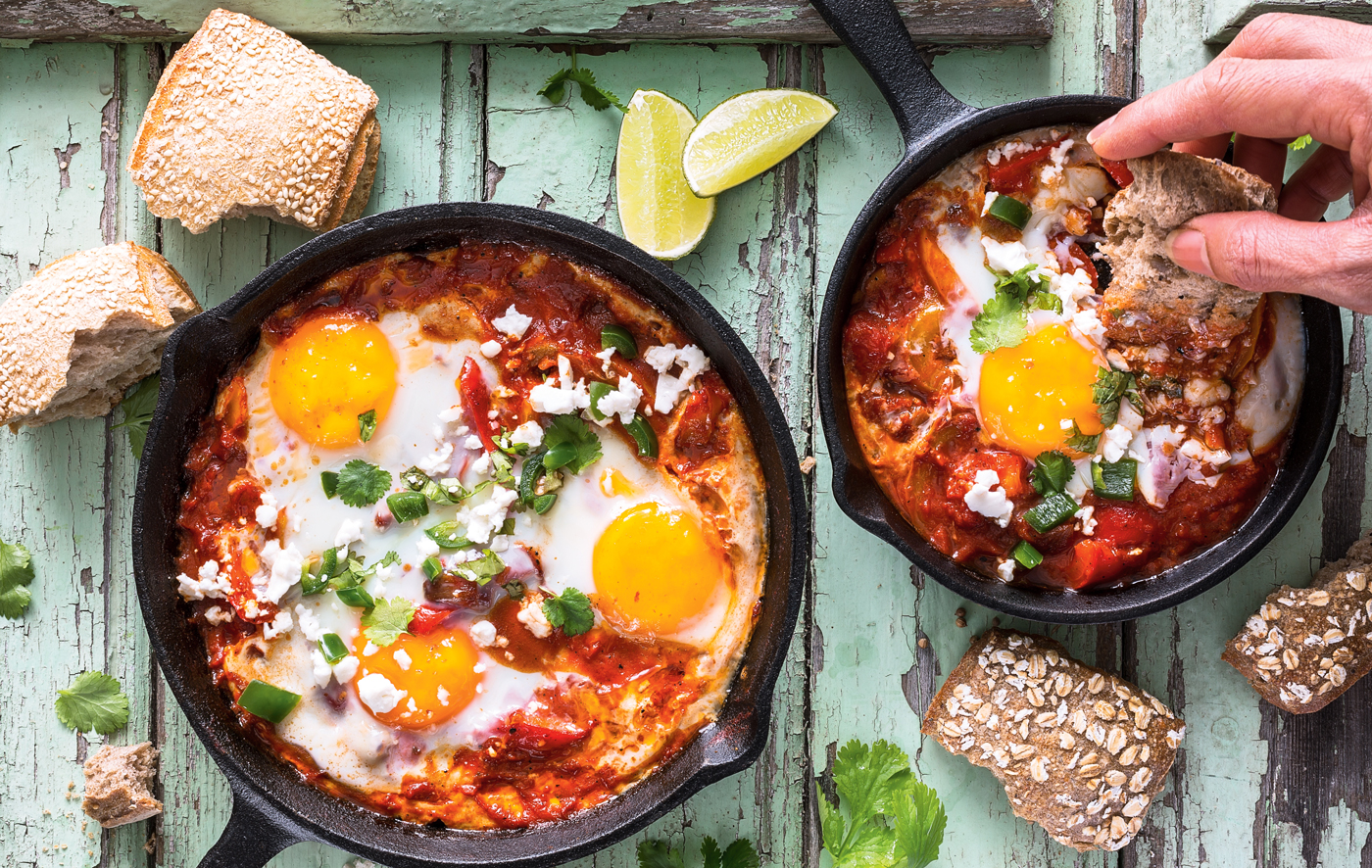
Photo by asab974 - stock.adobe.com
The FRIDGE STAPLE
Tomatoes
Flavor profile
Bright, slightly sweet, with a bit of acidity.
Pairs best with
Salty dishes that help balance their tang; onions, garlic, and herbs like rosemary and oregano are the usual suspects when it comes to flavor enhancers.
Nutritional benefits
• These fruits (yes, they are fruits) contain lycopene, a carotenoid that has been linked to a reduced risk of cancer and may be beneficial to skin.
• Though small in dose, tomatoes do contain some folate, which is especially important for childbearing women and fetal development.
• A medium tomato also provides a good amount of vitamin C—nowhere near as much as citrus fruit, mind you, but every little bit helps!
How to use them
• Cut in half and bake with a sprinkle of cheese and dried or fresh oregano on top; salt to taste.
• Simmer stewed, canned tomatoes as the base of a delicious (and super simple) shakshuka. Add a variety of herbs and spices, a few cracked eggs on top, and serve with toasted bread.
• Are you a canning aficionado? Tomato jam is great for pairing with meats and cheeses.
• Spoon homemade or store-bought tomato sauce over cooked spaghetti squash. Add cooked lean ground turkey and sprinkle with cheese, if desired.