






For decades, the fitness industry has been filled with confident advice that sounds convincing but keeps people chasing impossible standards. The problem? Much of it wasn’t grounded in science. Today, advances in exercise physiology, nutrition, recovery, and human performance have finally challenged many long-held beliefs and, in some cases, led to their abandonment.
[X] Push until you can’t anymore.
One of the biggest myths we no longer believe is “no pain, no gain.” For years, people were taught that a workout only counted if afterwards they were exhausted, sore, or barely able to walk. Science now shows that soreness is not a reliable indicator of progress. Effective training comes from consistency, progressive overload, recovery, and proper programming, not punishment. In fact, overtraining often leads to injury, hormonal disruption, and burnout.
[X] Cardio is king.
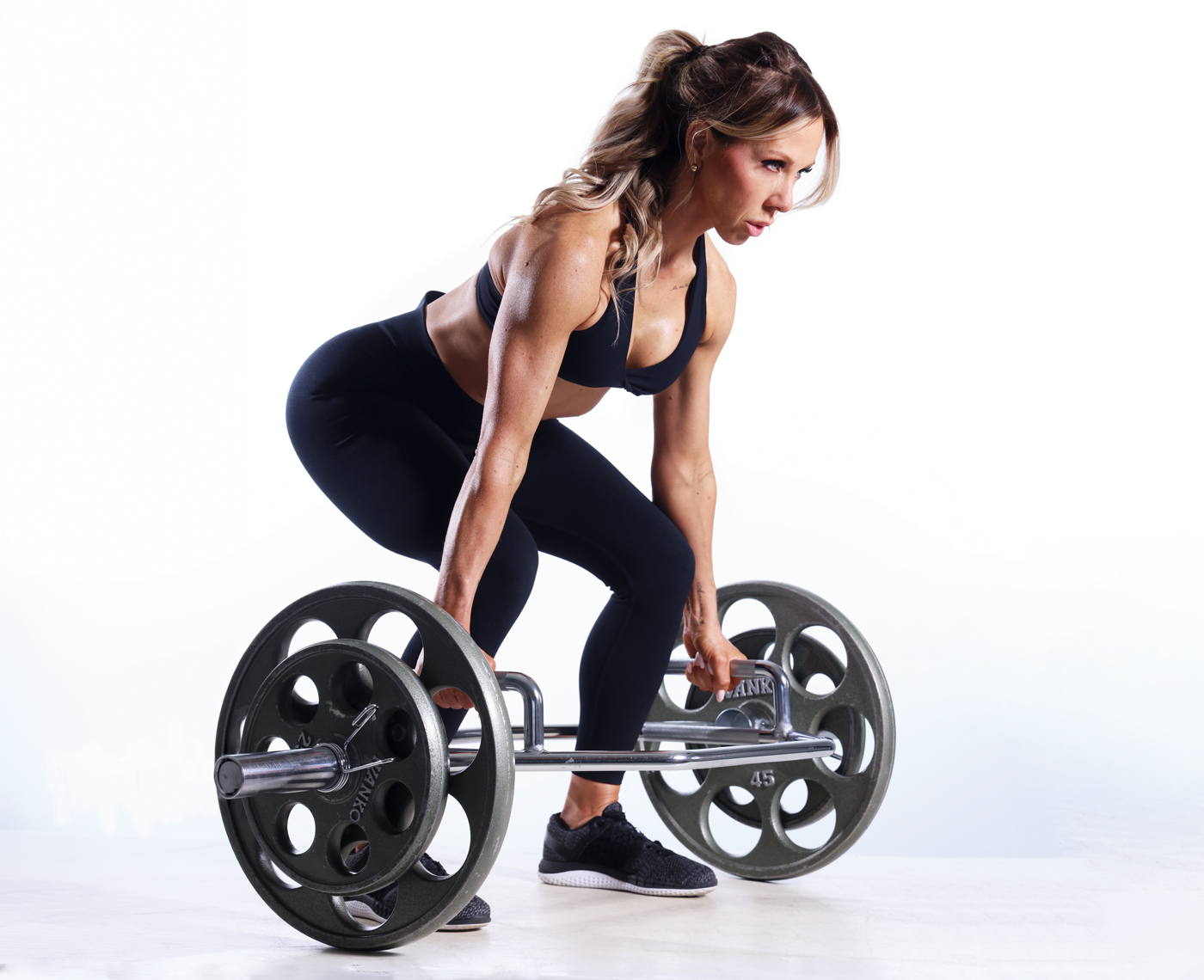
We’ve also moved beyond the idea that cardio is the ultimate answer to weight loss. Endless hours on treadmills were once promoted as the gold standard for fat loss, especially for women. Today, research strongly supports the value of strength training not only for building muscle but also for improving metabolism, bone density, insulin sensitivity, and long-term body composition. Muscle matters, especially as we age.
[X] Never lift heavy.
Another outdated belief? Lifting weights makes women “bulky.” Science and real-world evidence have thoroughly debunked this fear. Building significant muscle mass requires years of targeted training, proper nutrition, and genetics. For most women, strength training improves posture, confidence, metabolic health, and physical resilience.
“The best program is … the one a person can sustain consistently and safely over time.”
[X] Eat less—much less.
The fitness industry once glorified restriction. “Eat less and move more” became an oversimplified formula repeated everywhere. But modern nutrition science recognizes that the body is more complex than a simple calorie equation. Sleep, stress, hormones, gut health, recovery, and food quality all affect how our bodies respond. Severely restrictive diets may yield short-term results, but they often undermine energy, metabolism, and sustainability.
[X] Rest is for the lazy.
This is perhaps one of the most important shifts in our understanding of recovery. There was a time when rest days were seen as a sign of weakness. Now we know that recovery is where adaptation actually happens. Sleep, mobility, hydration, and nervous system regulation are not extras; they are essential to performance and health.
[X] Exercise is one-size-fits-all.
We’ve also stopped believing that fitness should look the same for everyone. Science increasingly supports individualized training tailored to age, goals, injury history, stress levels, and lifestyle. The best program is no longer the hardest—it’s the one a person can sustain consistently and safely over time.
[X] The mirror is the measurement.
Most importantly, the industry is gradually moving away from aesthetics as the sole measure of success—fitness is no longer just about shrinking bodies! Research continues to demonstrate the profound connection between exercise and mental health, cognitive function, longevity, mobility, and quality of life, offering a much more nuanced take on how movement can benefit us, especially women.
The truth is, science has forced the fitness industry to mature. What once relied heavily on marketing and extremes is now more evidence-based, balanced, and sustainable. That’s a good thing, because real fitness should improve lives, not consume them.
Written by Rita Catolino, B.A. Health and Fitness Expert, Certified Trainer & Best-Selling Author
Photography by Paul Buceta
Hair & makeup by Monica Kalra